Local Issues looks at topics that affect daily life in Newark and nearby areas. From planning and transport to housing, services and local decision-making. The aim is to inform, explain and encourage discussion, not to inflame or sensationalise.
Views expressed are those of contributors and do not necessarily represent everyone in the community.
Horses and Welfare – What’s Normal, What’s Not, and When to Worry
Not a week seems to go by without posts on local social media raising concerns about horses. Some are heartfelt and well intentioned; others are angry, alarmed or accusatory. Very often, they include photographs of animals standing in muddy fields with sparse, or no grass, and sometimes lying down and apparently motionless. Because horses are large, expressive animals and because most people encounter them only occasionally it can be genuinely difficult to tell the difference between poor welfare and perfectly normal equine behaviour.
To help inform that discussion, we’ve pulled together factual guidance from established animal welfare organisations including the RSPCA, the British Horse Society, and World Horse Welfare, alongside veterinary and agricultural advice. What follows isn’t a defence of neglect, nor is it a call for outrage. It’s an attempt to replace assumption with understanding.
A brief word on horses themselves
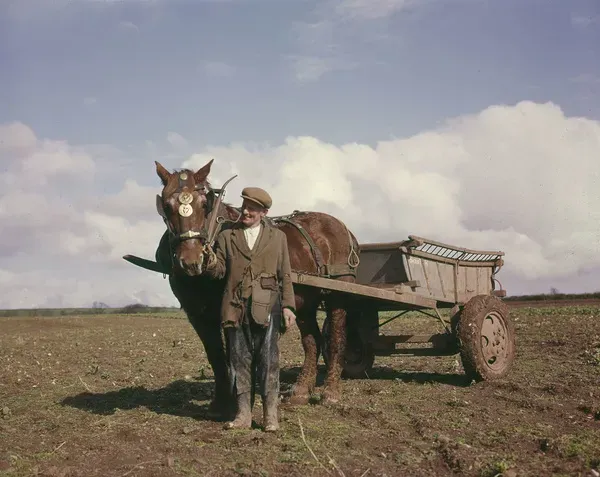
Horses evolved as grazing animals on open plains, where constant movement and awareness of predators were essential to survival. They were domesticated thousands of years ago and, over time, selectively bred for different purposes: strength, speed, endurance, temperament and size. As a result, today’s horses vary enormously. A small native pony, a heavy draft horse and a thoroughbred racehorse may all look superficially similar, but their needs, hardiness and ideal living conditions can be very different. Despite domestication, their basic instincts to graze for long periods, to move frequently, and to seek safety in numbers remain unchanged.
Most horses live into their mid-20s, with many reaching their 30s. Historically they have been used for farming, transport, warfare, sport, leisure and companionship. In some parts of the world they are still very much working animals, and in others they are also kept for meat or dairy products. Cultural context matters globally. In the UK horses are mainly kept for leisure purposes and are protected under clear animal welfare law.
What horses need day to day
Companionship: Horses are social animals. Most do best with company, ideally with other horses. Some live alongside sheep or cattle, and this is not automatically a welfare concern, particularly for hardy breeds or animals accustomed to mixed grazing. What matters is not the species beside them, but whether the horse shows signs of isolation, anxiety or distress.
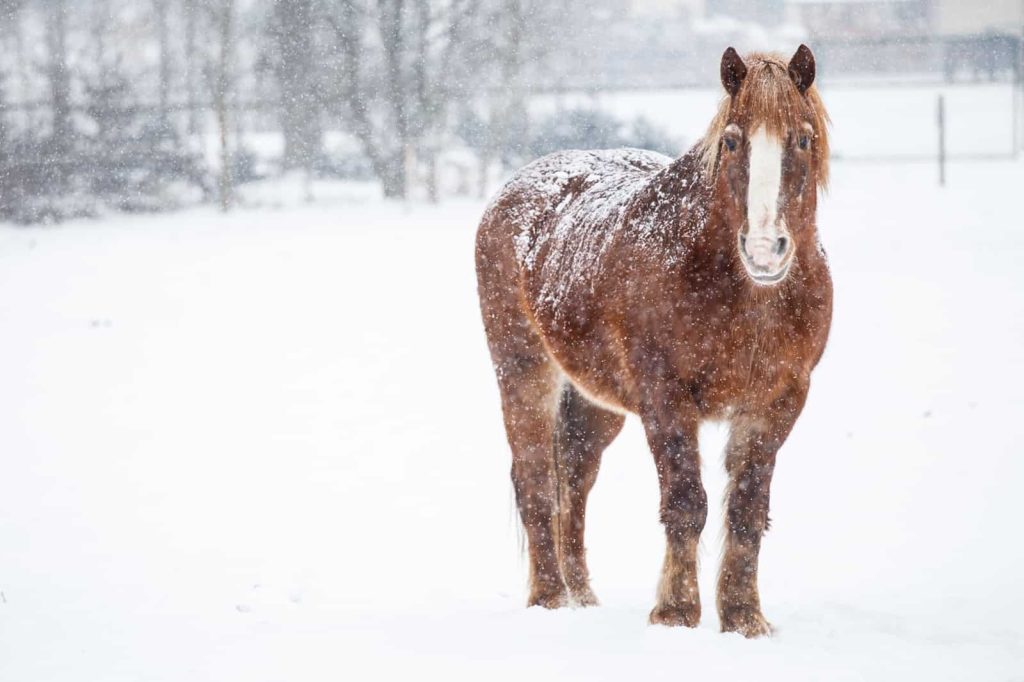
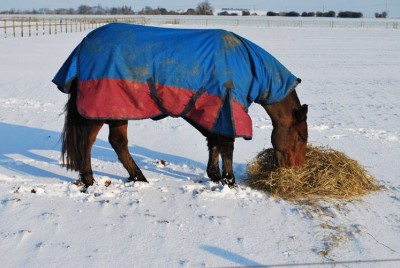
Shelter: Shelter is often misunderstood. Horses do not need stables in the way humans imagine comfort. Many breeds are well adapted to living outdoors year round. That said, access to shelter from wind, rain and sun is important, whether that’s a field shelter, a hedge, woodland, or natural land features. Lightweight, clipped, elderly or sick horses may need more protection than native or heavier breeds.
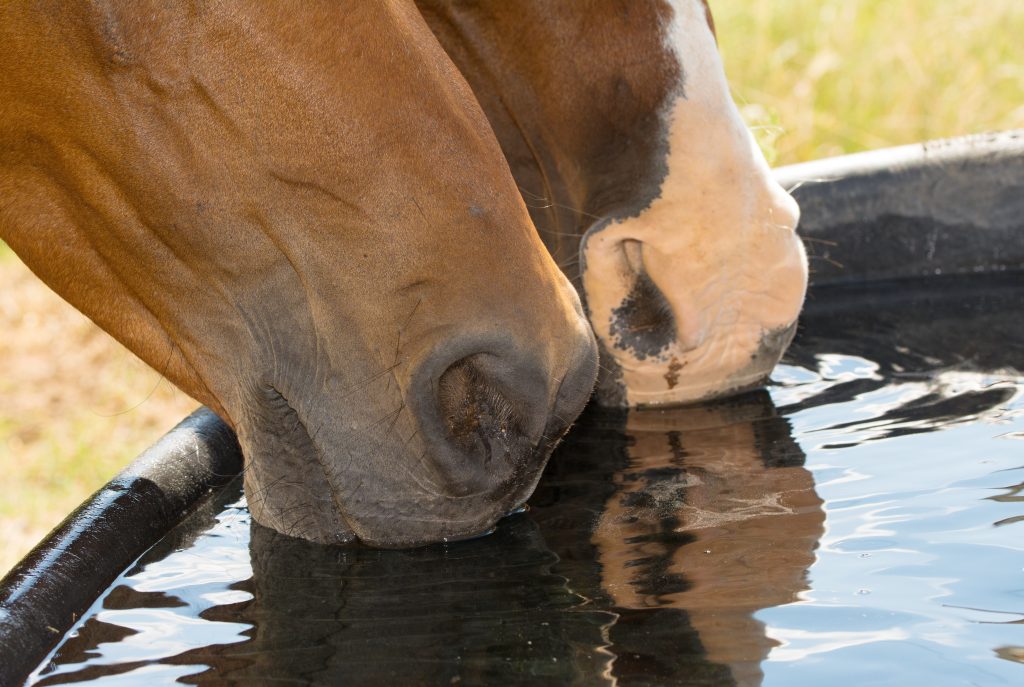
Clean, fresh water: Horses must have constant access to clean water. Ideally, water should be refreshed or replaced daily, particularly in warmer weather. This is usually provided via a a large trough or barrel in a field or could be buckets where horses are closely supervised or stabled. What matters most is availability, cleanliness and sufficient volume. A lack of water, or visibly foul water, is one of the clearest welfare red flags.
Feeding: when help can harm
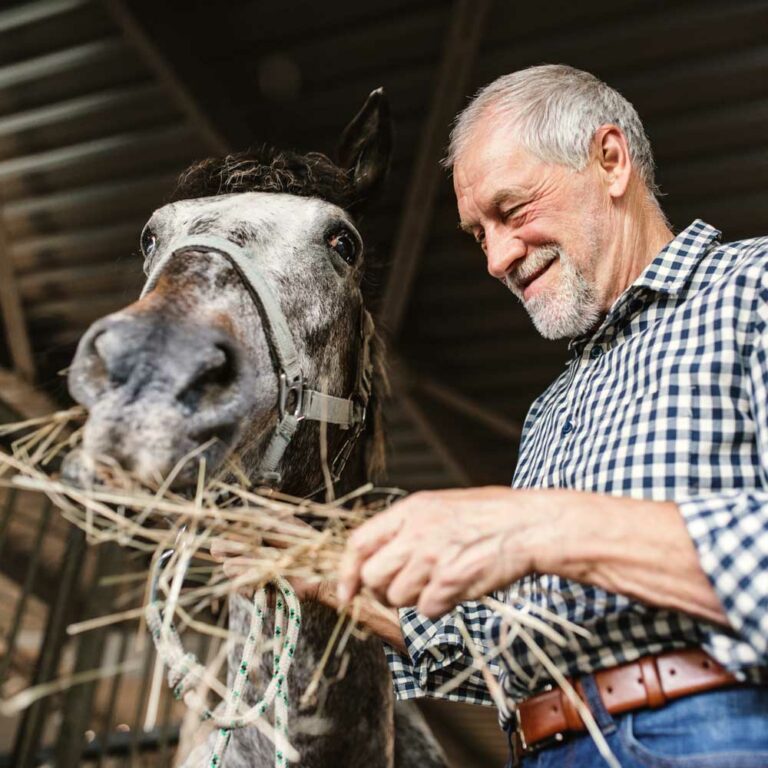
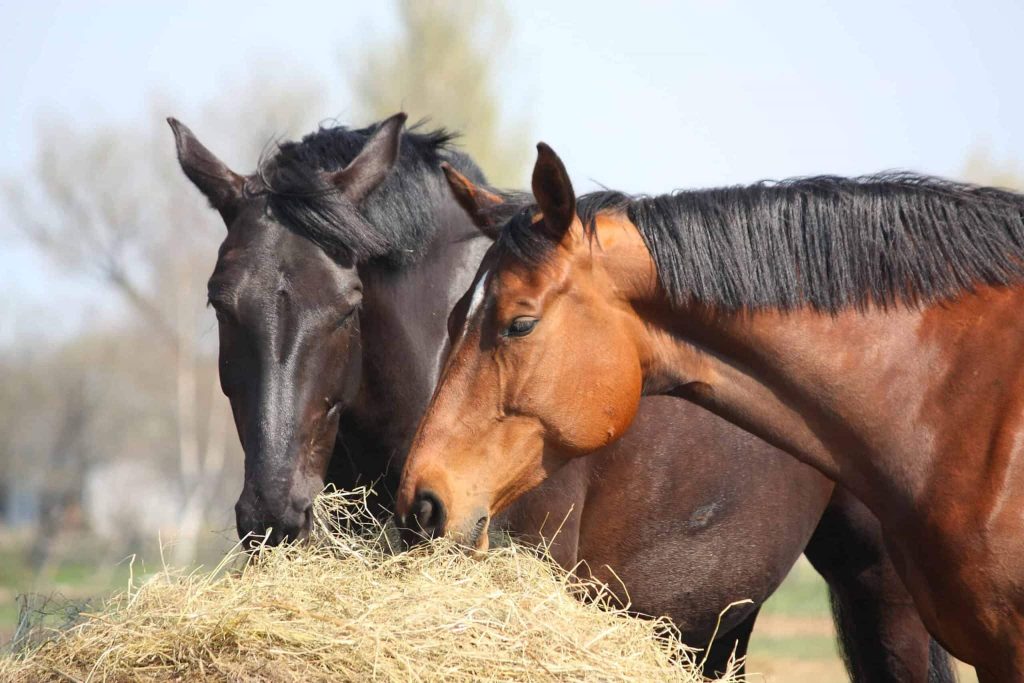
Horses are designed to eat little and often, mainly forage such as grass or hay. In Spring and summer grass may meet most of their nutritional needs. In Autumn and winter, hay or haylage is usually required, especially when grass growth slows. One of the most common, and well meaning, mistakes members of the public make is feeding horses without the owner’s knowledge. This can be dangerous. Some horses have medical conditions, strict dietary needs, or are prone to such things as laminitis, a painful and potentially serious condition. Feeding a horse such things as bread, lawn clippings and sugary treats can cause real harm.
If people, especially those with children, want to feed a horse, the best and safest approach is to speak to the owner, ask permission, and find out what, if anything, the horse is allowed to eat. Owners are usually happy to explain or to suggest a suitable treat.
Fields, paddocks and winter reality
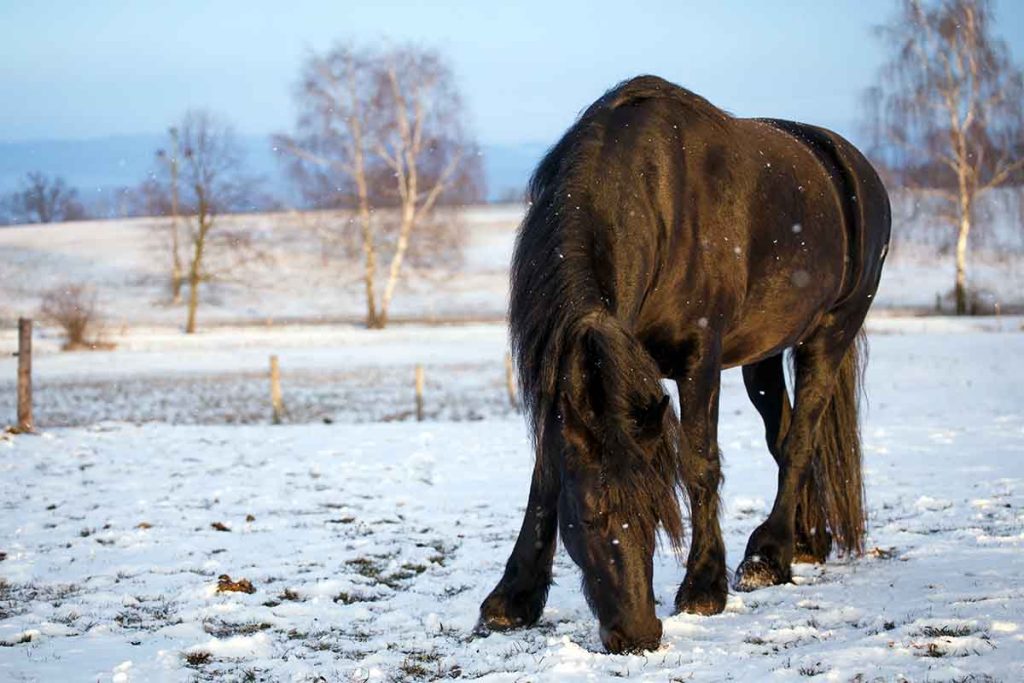
This is where most controversy arises. Fields look very different at different times of year. Even the best managed paddock can appear bare by late winter. Grass growth slows dramatically in cold months, and prolonged rain can quickly turn land muddy particularly near gates or feeding points. Mud alone is not evidence of neglect. Horses have evolved to cope with wet ground. What matters is whether the horse has access to dry standing areas, its feet and legs are healthy and it is not trapped in deep, persistent mud without relief. Local geography also plays a role. Horses kept on low lying land or near rivers, such as close to the River Trent, may experience wetter ground for long periods even with responsible management.
Horses near roads and on verges
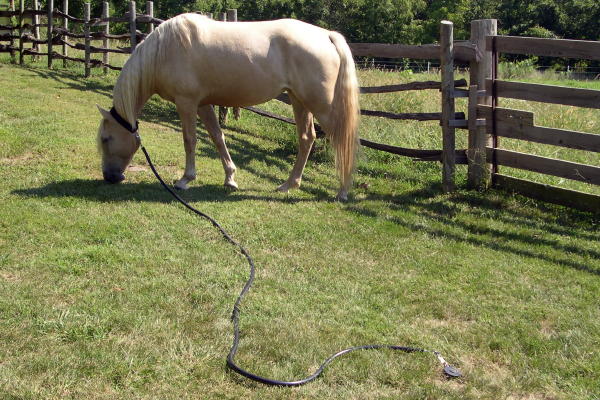
Horses grazing in fields beside roads or on verges can also cause concern, but this is not automatically unsafe or neglectful. The key considerations are secure fencing or tethering, adequate distance from traffic, access to water, forage and shelter. Many roadside grazing arrangements are temporary and managed with safety in mind. Location alone is not a reliable indicator of welfare.
Horses lying down: not always a crisis
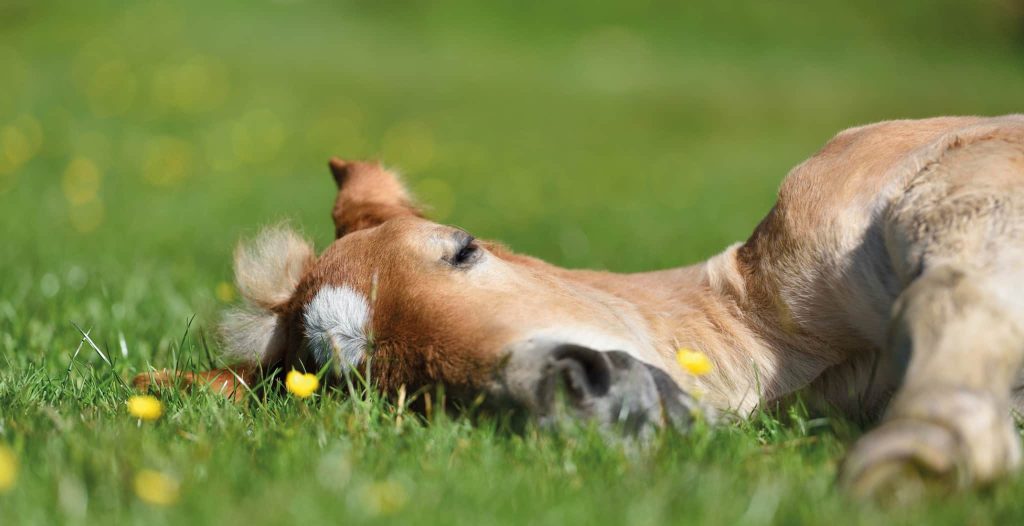
Another frequent cause of alarm is a horse lying down and remaining still. Horses can sleep standing up by locking the joints in their legs using a natural mechanism that allows them to rest without falling. Notwithstanding this, they also need to lie down for deeper sleep and may remain lying for extended periods, particularly when relaxed, warm, or secure. A horse lying quietly, breathing normally and able to rise is not necessarily in distress. A horse that cannot stand, appears in pain, or is unresponsive is a different matter.
Stress and behaviour: what can, and can’t, be spotted
Horses can show signs of stress, but these are often subtle and best assessed over time. Two behaviours that are often mentioned are weaving and crib-biting. Weaving is a repetitive side-to-side movement, usually of the head and front legs, often seen when a horse is standing still near a gate or fence. Crib-biting (or cribbing) is when a horse grasps a solid object with its teeth and pulls back, sometimes making a grunting sound. Both are known as stereotypic behaviours. They are often linked to boredom, frustration or past management but they do not automatically mean current neglect. Some horses continue these behaviours even after their conditions improve.
More broadly, possible indicators of stress can include: repetitive behaviours, persistent agitation or aggression, withdrawal or apathy and weight loss combined with behavioural change. However, it’s important to be clear that many signs of stress are difficult for laypeople to assess accurately, particularly without knowing the horse’s normal behaviour. A brief sighting or photograph is rarely enough to draw firm conclusions.
When to be concerned and what to do
It is right to care about animal welfare. But it is also important to act proportionately. If you are unsure about a horse’s condition consider seasonal and environmental factors, look for patterns of behaviour rather than a single moment and if appropriate, and you feel confident enough to, speak politely to the owner, neighbouring field owners or other horse owners. Tell them your concerns and see what they have to say.
If you do believe a horse is genuinely at risk, or you just want more information, then you have several options:
- contact the RSPCA
- Telephone: 0300 1234 999
- Website: https://www.rspca.org.uk
- Contact the British Horse Society
- Telephone: 02476 840517*
- Website: https://www.bhs.org.uk/
- Contact World Horse Welfare
- Phone: 08000 480 180
- Website: https://www.worldhorsewelfare.org
- Contact Redwings Horse Sanctuary
- Telephone: 01508 481008
- Website: https://www.redwings.org.uk/ready-to-rescue
- Contact Barnsby Horses
- Telephone: 01427 787 369
- Website: https://bransbyhorses.co.uk/
In cases of immediate danger, such as injury or risk from traffic, contacting the police on 101 is appropriate.
A shared responsibility
Horses inspire strong feelings in humans; admiration, concern and affection. That is no bad thing, but welfare is best protected by calm observation, good information and measured action, not assumptions based on a single photograph or a muddy field in February or a post on social media. By understanding how horses live, behave and adapt to the seasons, we can focus attention where it is genuinely needed and avoid unnecessary conflict where it is not.